Skip to content
Every spring, we see a wave of patients dealing with red, itchy, uncomfortable eyes—and most assume it’s just allergies.
Sometimes it is. But not always.
At Tower Clock Eye Center one of the most common things we diagnose this time of year is dry eye, which can feel surprisingly similar to seasonal allergies—but requires very different treatment.
If your usual drops aren’t working, there’s often a good reason why.
Allergies vs. Dry Eye: What’s the Difference?
At a glance, these conditions can look almost identical. But there are a few key differences:
Eye Allergies (Allergic Conjunctivitis)
Typically caused by pollen, grass or other environmental triggers.
Common symptoms:
- Intense itching (this is the biggest giveaway)
- Redness
- Watery eyes
- Swollen eyelids
- Often comes with sneezing or nasal congestion
Dry Eye Syndrome
A condition where your eyes don’t produce enough quality tears.
Common symptoms:
- Burning or stinging
- Gritty or “sand in your eyes” feeling
- Blurry or fluctuating vision
- Eye fatigue (especially on screens)
- Watery eyes (yes—ironically, this can still be dry eye)
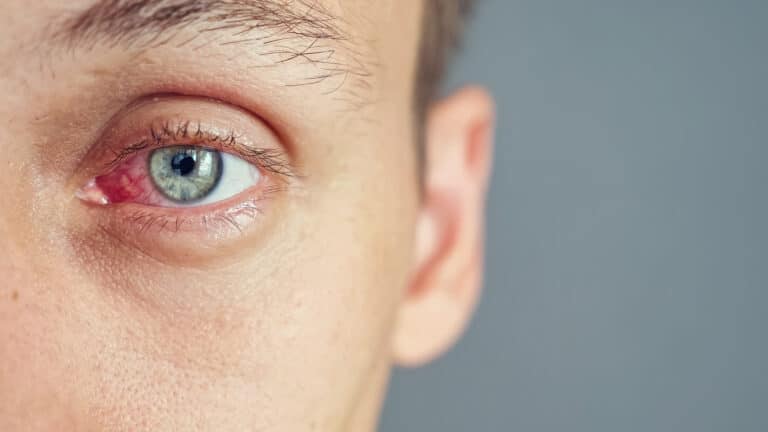
Why Spring Makes Everything Worse
Even if you’ve never had issues before, spring can trigger symptoms due to:
- Increased pollen and allergens
- Wind and outdoor exposure
- More time outside (yard work, sports, etc.)
- Seasonal changes in humidity
And here’s where it gets tricky—you can have both allergies and dry eye at the same time.
Why Over-the-Counter Drops Don’t Always Work
A lot of people grab whatever eye drops are on the shelf and hope for the best.
The problem:
- Allergy drops won’t fix dry eye
- Basic artificial tears won’t address allergic inflammation
- “Redness relief” drops can actually make things worse over time
If you’ve been using drops and not getting relief, there’s a good chance you’re treating the wrong issue.
What Actually Helps
For Allergies:
- Antihistamine eye drops
- Avoiding triggers when possible
- Cold compresses
For Dry Eye:
- High-quality lubricating drops (not all are equal)
- Managing screen time and blink habits
- In-office treatments when needed
The key is getting the diagnosis right first.
When It’s Time to Get Your Eyes Checked
It’s worth scheduling an exam if:
- Symptoms aren’t improving after a few days
- Your vision is fluctuating or blurry
- You rely on drops daily just to get through the day
- Your eyes feel irritated or uncomfortable most of the time
Get Relief for Dry Eye and Allergies that Actually Work
If your eyes have been bothering you this spring, don’t guess.
The team at Tower Clock Eye Center can help determine whether you’re dealing with allergies, dry eye, or both—and recommend treatment that actually works.
Schedule your eye exam today by calling (920) 499-3102 and get ahead of the season.