Skip to content
Laser capsulotomy: explained
Blog, New AnnouncementsWatch Dr. Tyson Schwiesow, MD, describe laser capsulotomy, a common procedure often needed following cataract surgery. In the video you’ll
Laser capsulotomy: explained Read Post »

Watch Dr. Tyson Schwiesow, MD, describe laser capsulotomy, a common procedure often needed following cataract surgery. In the video you’ll
Laser capsulotomy: explained Read Post »
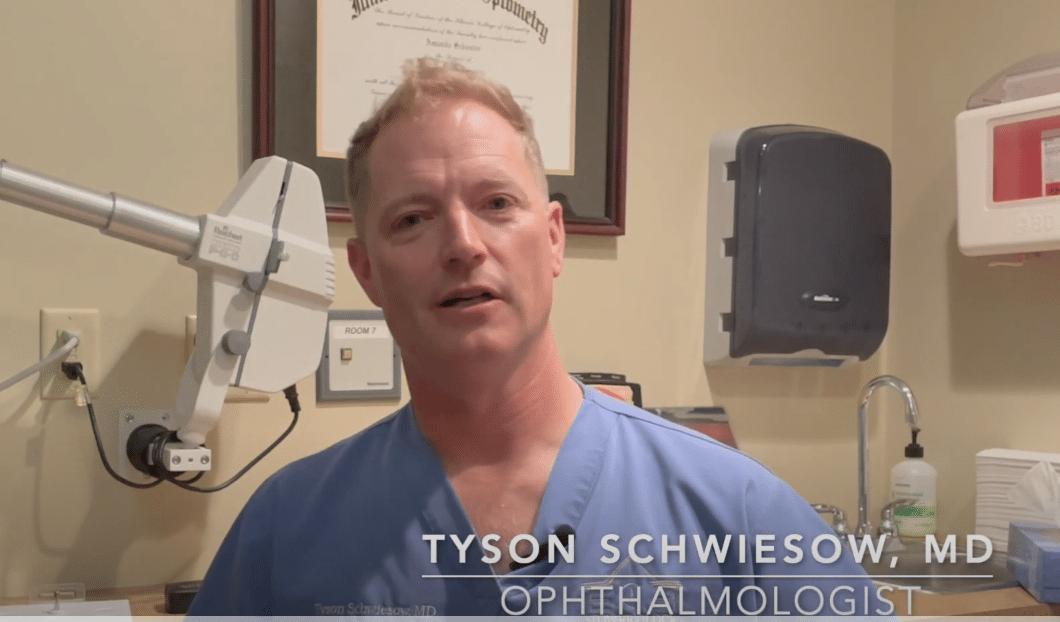
Following cataract surgery patients can develop dry eye symptoms. Watch Tower Clock Eye Center ophthalmologist Dr. Tyson Schwiesow, MD, explain
Dry eyes after cataract surgery Read Post »

Watch Dr. Jacob Woldt, OD, explain the differences between two techniques for examining the retina. Retinal photography uses our Optos
Retinal photography vs. pupil dilation Read Post »

Are you among those who suffer from chronic dry eye, blepharitis or meibomian gland dysfunction (MGD)? If so, Tower Clock
MGD, dry eye & blepharitis treatment Read Post »
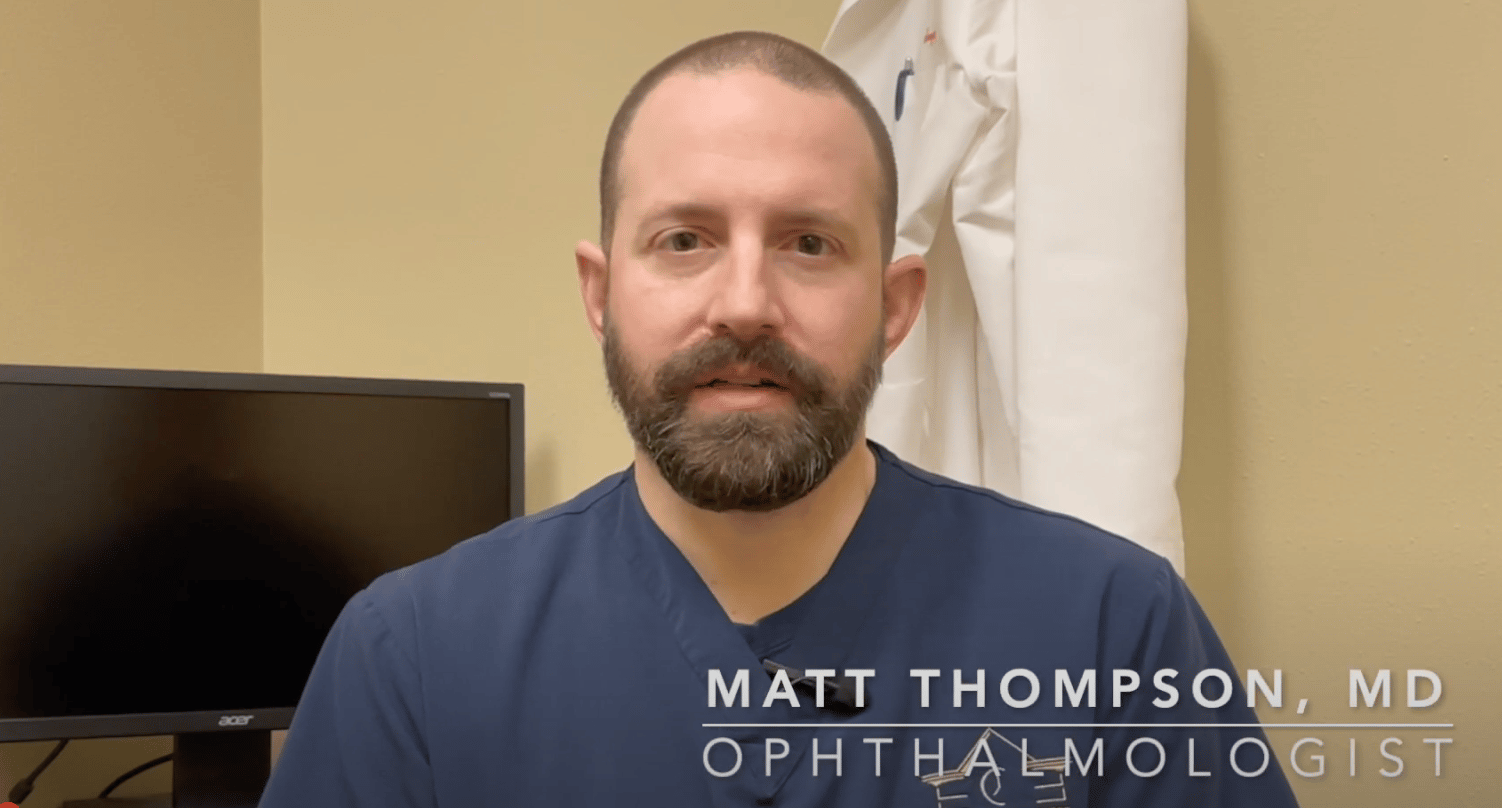
Watch Tower Clock Eye Center cornea specialist Dr. Matthew Thompson, MD, describe a procedure known as superficial keratectomy. The procedure
Superficial keratectomy: Explained Read Post »
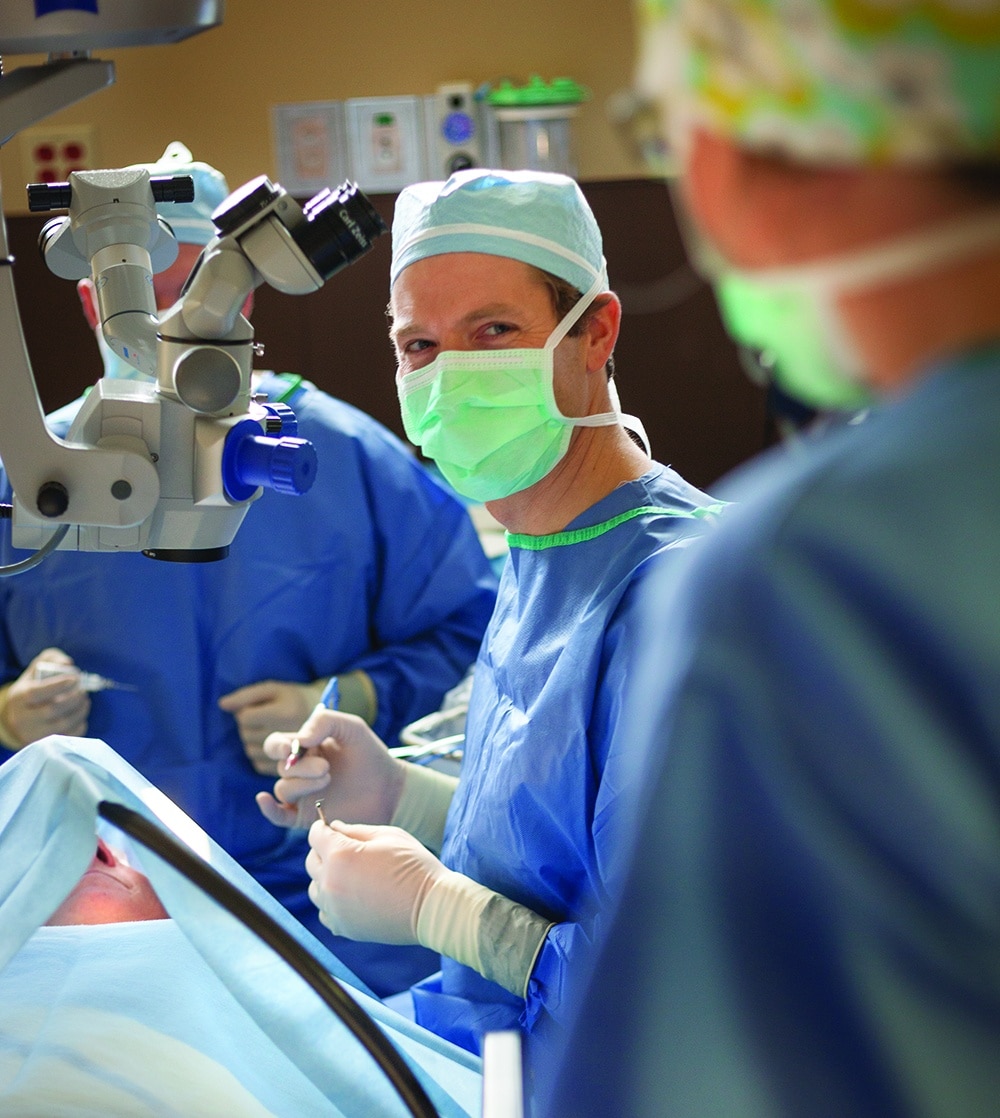
Cataracts happen. And nearly all of us will face cataract surgery at some point in our lives. Cataracts reduce vision,
5 reasons not to worry about cataract surgery Read Post »

Cataract surgery is one of the safest and most effective surgeries performed today, but if you’re planning to have cataract
Meet your surgeon before cataract surgery Read Post »
Watch as DMEK (Descemet Membrane Endothelial Keratoplasty) is briefly explained by Dr. Matthew Thompson, MD, Tower Clock Eye Center’s fellowship-trained
DMEK for partial corneal transplants: explained Read Post »

A corneal ulcer is often the result of an eye infection, though severe dry eye and other eye conditions can
Corneal ulcer symptoms, causes and treatments Read Post »
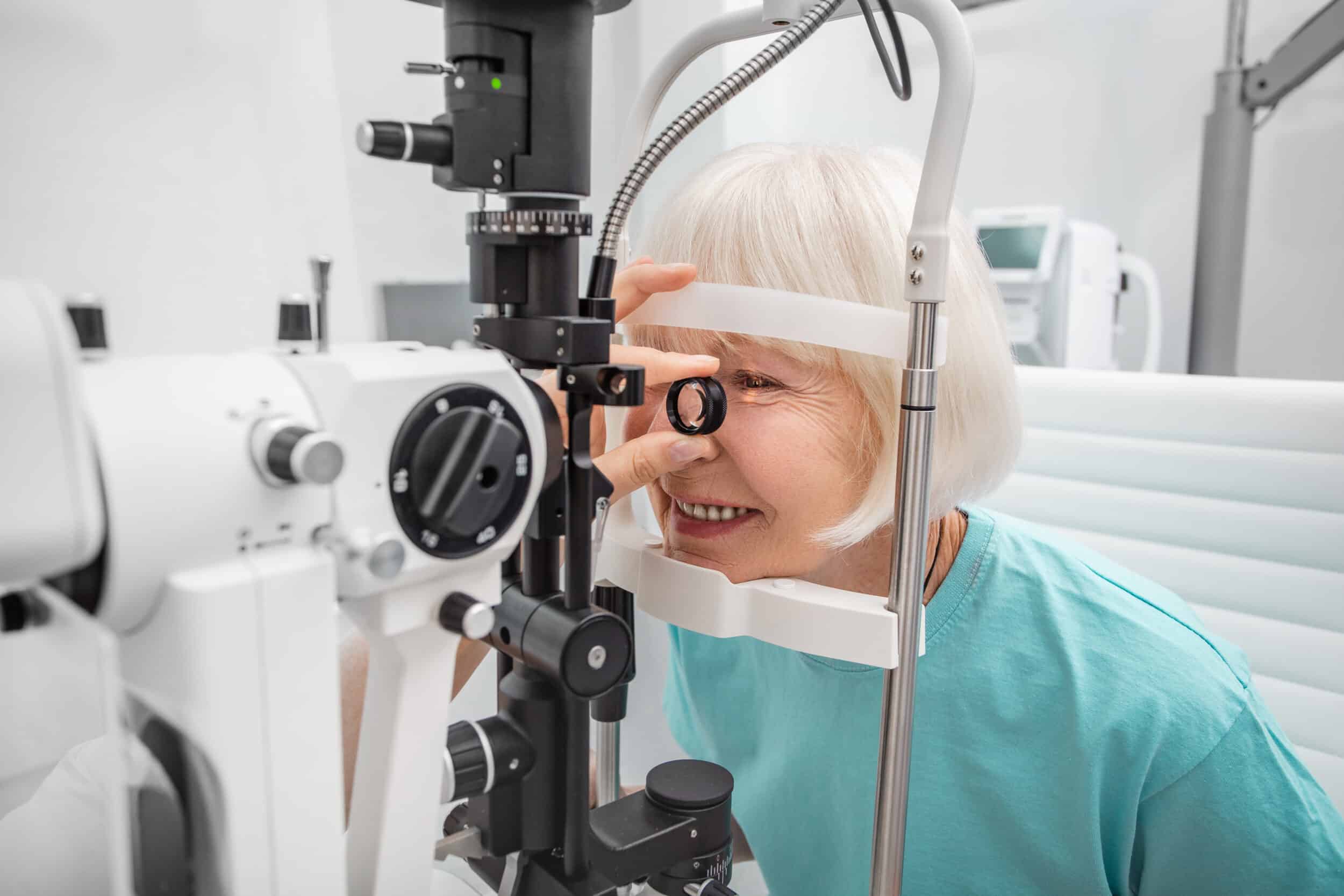
One of the many common tests performed at Tower Clock Eye Center is the slit lamp exam. This exam is
Slit lamp exam: What is it? Read Post »
Thank you for choosing Tower Clock Eye Center. We have recently updated our registration process to be entirely online. If you have an upcoming appointment, please click the link below to complete your patient registration.